
Key Takeaways
- Overactive bladder impact goes beyond frequent urination—it can affect sleep, productivity, and emotional wellbeing.
- Night-time symptoms may lead to poor sleep quality and daytime fatigue.
- Work and social life can be disrupted due to urgent and unpredictable bathroom needs.
- Early evaluation and appropriate management can help reduce symptoms and improve daily comfort.
What Is an Overactive Bladder and Why Does It Matter?
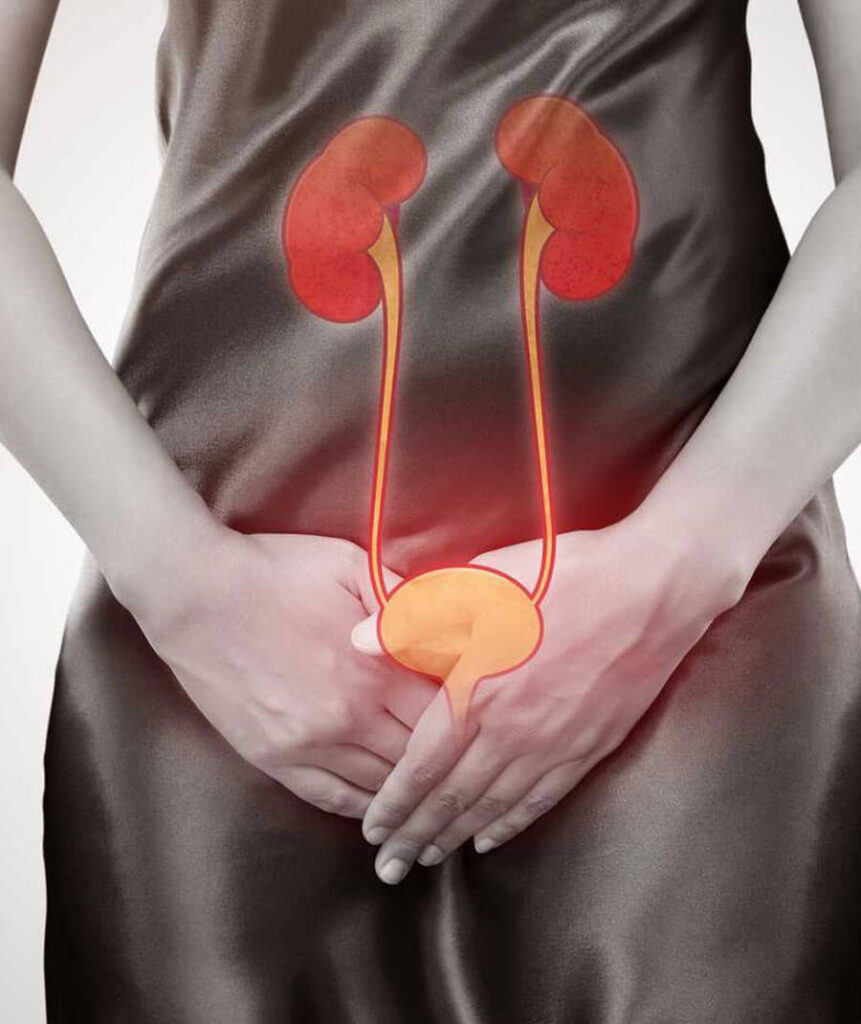
Overactive bladder (OAB) is a condition characterised by a sudden and frequent urge to pass urine, sometimes with leakage. While it may seem like a minor inconvenience at first, the overactive bladder impact can extend into multiple areas of daily life.
Many individuals delay seeking advice, assuming it is a normal part of ageing or something they must simply tolerate. However, understanding its broader effects can help individuals make informed decisions about their health.
Can Overactive Bladder Disrupt Your Sleep More Than You Think?
Night-time urination (nocturia) is one of the most common concerns linked to OAB.
- Waking up multiple times at night interrupts the natural sleep cycle
- Reduced deep sleep may lead to daytime tiredness and reduced focus
- Ongoing sleep disruption can affect mood and overall wellbeing
Over time, this pattern may contribute to difficulty concentrating, irritability, and lower energy levels during the day.
How Does Overactive Bladder Affect Your Work and Productivity?
The overactive bladder impact is often noticeable in professional settings, especially where access to restrooms may be limited.
- Frequent breaks may interrupt workflow and reduce efficiency
- Anxiety about sudden urgency can make it harder to stay focused
- Long meetings, travel, or field work may become stressful
Some individuals may begin planning their day around restroom access, which can limit flexibility and confidence at work.
Could It Be Affecting Your Confidence and Social Life?
OAB does not only affect physical health, it can also influence emotional and social wellbeing.
- Fear of leakage may lead to avoidance of social gatherings
- Constant awareness of bladder urgency can create anxiety
- Individuals may feel self-conscious in public settings
These changes can gradually impact confidence, relationships, and overall quality of life.
When Should You Consider Seeking Medical Advice?
It may be helpful to consult a doctor if you experience:
- Frequent urination that disrupts daily activities
- Sudden, difficult-to-control urges to urinate
- Night-time urination affecting sleep quality
- Any leakage associated with urgency
Assessment typically involves understanding symptoms, lifestyle factors, and medical history to guide appropriate management.
Frequently Asked Questions (FAQs)
Is overactive bladder a normal part of ageing?
While symptoms may become more common with age, OAB is not something that has to be accepted as normal. Evaluation can help identify contributing factors and management options.Can lifestyle changes help reduce symptoms?
In some cases, adjustments such as fluid timing, reducing caffeine intake, and bladder training techniques may help manage symptoms.Is overactive bladder the same as urinary incontinence?
Not exactly. OAB involves urgency and frequency, while incontinence refers to leakage. However, some individuals may experience both.Will I need long-term treatment?
Management depends on the severity and cause of symptoms. Some individuals may benefit from short-term strategies, while others may require ongoing care.
Take the Next Step Towards Better Bladder Health
If you have noticed signs of overactive bladder impacting your sleep, work, or daily confidence, it may be helpful to seek professional advice. At Urohealth Medical Clinic, our team of doctors provides assessment and personalised care tailored to individual needs, helping patients better understand their symptoms and available management options.
Consider booking a consultation to discuss your symptoms and next steps.